STYLE GUIDE
How to Choose the Right Backpack
The best backpack balances capacity, comfort, organization, and the way you actually move through your day.
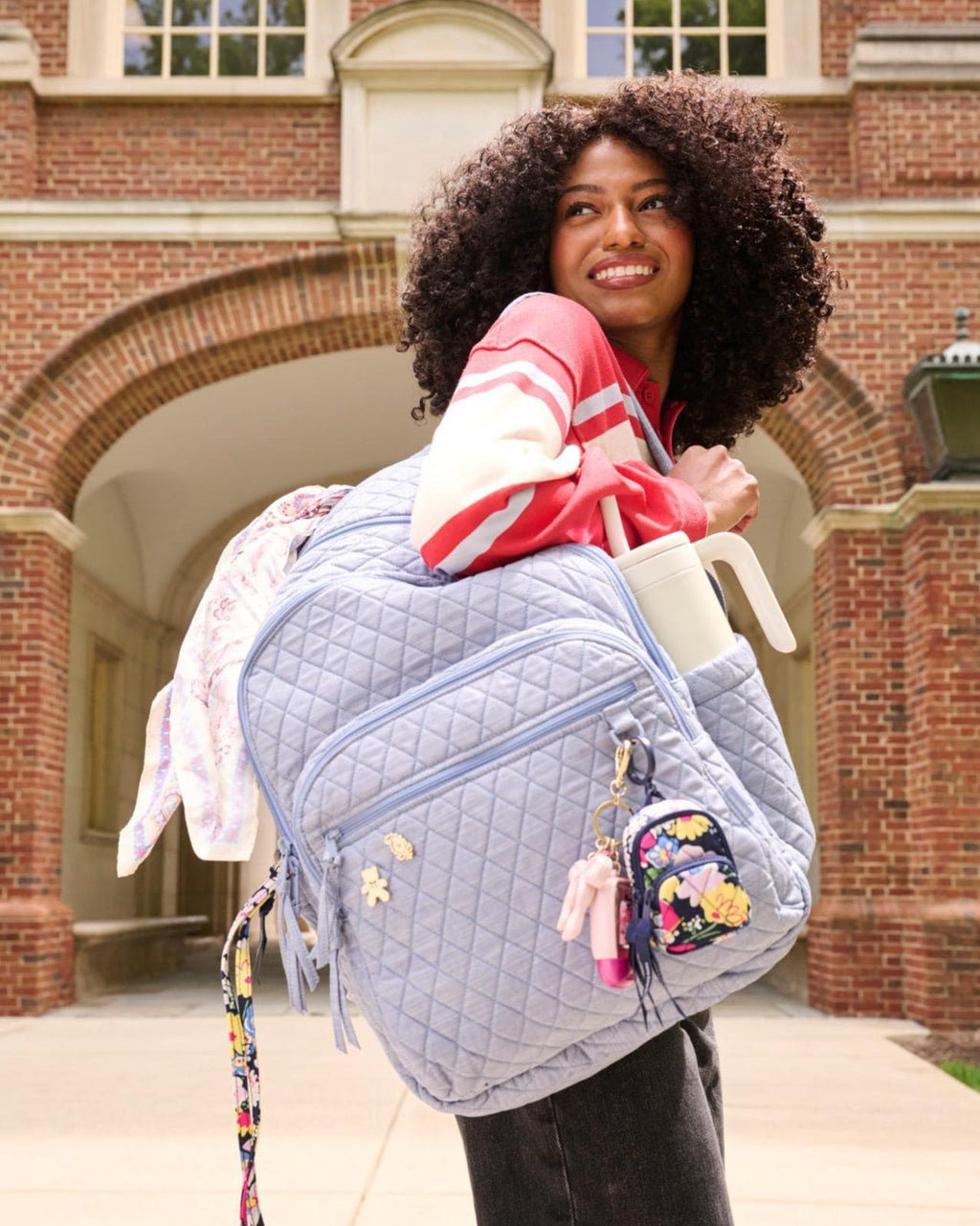
A backpack is more than a way to carry things. It becomes part of a commute, a campus routine, a weekend trip, or a daily walk through the city. Before choosing a style, think about what you carry most often, how long you wear the bag, and where it needs to go.
For travel: prioritize space and flexibility
A travel backpack should be durable without feeling oversized. Check the dimensions if you plan to use it as a carry-on, then look for a layout that separates a laptop, passport, charger, clothing, and smaller essentials. A padded back, adjustable straps, and a luggage sleeve can make long transfers much easier.
For school: make organization comfortable
Students usually need a balance of capacity and structure. A padded laptop compartment, space for books, a water-bottle pocket, and smaller sections for pens and accessories can prevent the main compartment from becoming a single crowded pile. Padded shoulder straps and a supportive back panel also matter when the bag is full.

For work: combine polish and function
A work backpack needs enough room for a computer, documents, and daily accessories without looking bulky. Dedicated laptop and tablet sections, an easy-access pocket for transit cards, and a top handle add convenience. Choose materials that can handle daily travel and a color or pattern that still feels like you.
For everyday use: keep it light
An everyday backpack should move easily from errands to coffee shops, short walks, and casual plans. Lightweight materials, quick-access pockets, and a comfortable strap system are usually more valuable than maximum capacity. If you rarely fill the bag, a smaller model may feel better and help you carry less.
Use a simple checklist
Before buying, ask four questions: Does it fit the items I carry most? Can I find those items quickly? Will it feel comfortable after an hour? Does it suit the settings where I will use it? The perfect backpack is not the biggest or most technical option—it is the one that makes your routine easier.
Choose for the life you have
A great backpack should be ready for the next class, train, meeting, hike, or weekend away. Start with your real habits, then choose the details that solve them. When capacity, comfort, and personal style line up, the bag becomes a quiet partner in everything you do.